
Why Design-Build Remodeling Delivers Better Results

Design-Build Remodeling in Dexter, MI
Quick Take: Design-build remodeling keeps your project on track by combining design, budgeting, and construction under one team. In Dexter, most kitchen remodels fall between $25,000 and $80,000+ and take about 6 to 12 weeks, depending on the scope. When everything is planned upfront, you avoid delays, cost surprises, and the back-and-forth between separate contractors.
If you’ve owned your home for a while, you’ve likely thought about updating the spaces you use every day. Many homes around Dexter that were built in the 1980s and early 2000s are reaching the point where layouts feel tight, storage is limited, or finishes just look dated. The challenge isn’t deciding to remodel. It’s figuring out how to do it without the project turning into a drawn-out, expensive headache.
Design-build remodeling takes a more coordinated approach. Instead of juggling a designer, a contractor, and multiple trades, you work with one team from start to finish. Below, you’ll see how that structure improves communication, keeps costs more predictable, and helps your project move forward without the common surprises that slow everything down.
Why Traditional Remodeling Creates Problems
The traditional remodel process splits design and construction into separate steps. You hire a designer or architect, finalize the plans, and then send those drawings out for contractor bids. On paper, that sounds organized. In real projects, it often creates gaps.
Design choices sometimes get made without a clear understanding of installation costs or site conditions. Once construction starts, the contractor may find structural issues, outdated wiring, or layout conflicts that weren’t obvious earlier. Each change means a new decision, a new price adjustment, and more time added to the schedule.
Communication can also get messy. If something doesn’t fit or costs more than expected, the designer and contractor may see the issue differently. That leaves you stuck in the middle trying to sort it out.
Many homeowners start looking for a better approach after hearing stories like this. That’s where design-build starts to make more sense.
What Design-Build Remodeling Actually Means
Design-build remodeling brings project management, architectural design, and construction together under one roof. Instead of separate contracts and separate priorities, everyone works toward the same plan from the beginning.
The process starts with a conversation about your goals and your investment range. Our team looks at your space, talks through layout options, and builds the design around what makes sense financially. That early alignment keeps you from spending time on ideas that don’t fit your budget.
As the design develops, every decision gets reviewed for both appearance and practicality. If you’re planning a full kitchen remodeling project, the design team and construction team work together so the layout, materials, and timeline all match real-world conditions.
Because the same team stays involved throughout the project, decisions move faster, and there’s less second-guessing. That coordination becomes even more valuable when it comes to accountability.
One Team, One Plan, One Point of Accountability
One of the biggest benefits of design-build is knowing exactly who to call when you have a question.
Instead of managing a designer, a general contractor, and several subcontractors, you work with one construction team and one primary contact. That structure cuts down on delays caused by waiting for revised drawings, approvals, or conflicting instructions.
Our team also handles scheduling, permits, and material coordination. In Washtenaw County, permit timelines and inspections can affect the overall schedule. When project management is centralized, those steps are built into the plan instead of becoming unexpected slowdowns.
You also get clearer communication. If something needs to be adjusted, the same team that designed the space is the one solving the issue. That kind of clarity makes a big difference once you start talking about costs.
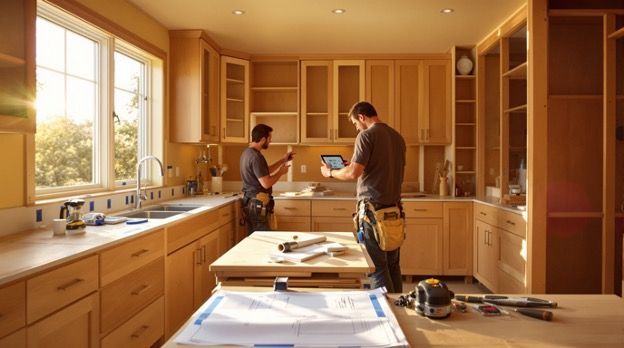
How Design-Build Keeps Costs Under Control
Here’s how that works:
- Real-time pricing during design. Layout changes and upgrades are reviewed against your budget as decisions are made.
- Practical material guidance. If a selection pushes the cost too high, you’ll see alternatives right away.
- Fewer change orders. Early planning reduces the mid-project surprises that drive costs up.
- Accurate measurements and ordering. Items like kitchen cabinets and kitchen countertops are finalized before construction begins.
The result is a clearer financial picture before demolition starts. Once the budget is set and selections are locked in, the focus shifts to keeping the project moving.
Faster Timelines and Fewer Surprises
When design and construction happen separately, projects often stall between phases. Design-build keeps things moving because planning and execution are coordinated from the start.
Problems Get Solved Earlier
Structural issues, electrical limits, or plumbing conflicts are identified during the design phase instead of after walls come down. Fixing those items early prevents the kind of delays that can stretch a project by weeks
Scheduling Stays Tighter
Materials get ordered as soon as selections are approved, and the construction team schedules trades around delivery dates. For most Dexter kitchen projects, the construction phase runs about 6 to 12 weeks, depending on the size and complexity.
You also get a clearer picture of what daily life will look like during the remodel, including how long the space will be out of service. That kind of predictability helps you plan ahead and decide if this approach fits your situation.

When Design-Build Is the Right Choice for Your Home
Design-build makes the most sense when your project involves more than simple cosmetic updates. If you’re changing layouts, opening walls, or coordinating multiple trades, having one team manage everything reduces the risk of missteps.
It’s also a good fit if you don’t want to manage the details yourself. Many Dexter homeowners want to choose finishes and review designs, but they don’t want to coordinate schedules, track deliveries, or deal with inspections. A full-service process lets you stay involved without handling the day-to-day logistics.
Homes that benefit most include older kitchens with inefficient layouts, spaces being updated for long-term living, and projects where durability and function matter as much as appearance. Once your goals are clear, having the right structure in place helps the entire remodel run more smoothly.
Conclusion
Design-build remodeling works better because everything is connected from the start. Design decisions, budget planning, material selection, and construction all move forward together. That coordination reduces delays, limits cost surprises, and makes the process easier to manage.
For many Dexter homeowners, the biggest advantage isn’t just the finished space. It’s knowing the project is organized, realistic, and handled by one team that sees the whole picture.
If you’re thinking about a remodel, the best first step is a conversation about your space, priorities, and investment range. Our team can walk through layout ideas, timeline expectations, and options for kitchen design so you know what makes sense before any work begins.
