
Kitchen Layout Mistakes That Hurt Function
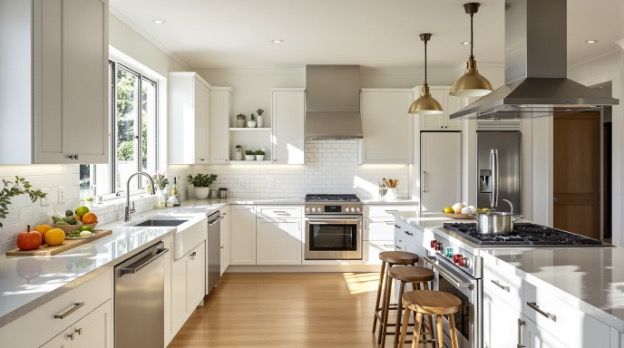
Kitchen Remodeling in Dexter, MI: Layout Tips
Quick Take: Most kitchen layout issues come from poor planning around workflow, spacing, and appliance placement. In Dexter, MI, a well-planned remodel typically costs $25,000 to $60,000 and takes about 6 to 10 weeks, and solid design upfront helps you avoid expensive changes later.
A kitchen can look beautiful on day one and still be frustrating to use if the layout isn’t right. We see this a lot in Dexter homes, especially those built in the 80s and early 2000s. The finishes are new, but the island crowds the space, the fridge blocks the walkway, or there’s nowhere comfortable to prep a meal. When the layout misses the mark, you notice it every single day.
Let’s walk through the kitchen layout mistakes that tend to cause the most problems and what to think about before your remodel starts. The goal here is simple. You want a kitchen that fits how you actually move, cook, and live, not just something that looks good in photos.
Why Kitchen Layout Mistakes Cost More Than You Expect
Layout problems don’t just make your kitchen inconvenient; they can get expensive fast. Once cabinets, flooring, and countertops are installed, even a small change can turn into a bigger project. Moving a sink or range might mean rerouting plumbing, adjusting electrical, and replacing materials that were just put in.
A lot of homeowners start choosing finishes before the layout is fully worked out. Then halfway through construction, they realize the refrigerator blocks the main path or there’s no real prep space near the sink. Fixing that during the project usually adds time and cost.
We also see homeowners in Dexter trying to correct layout issues from a previous remodel. Buyers notice awkward kitchens right away, so function affects resale too.
If you want to protect your budget and avoid frustration later, the layout has to come first, and that starts with how your main work areas connect.
1. Ignoring the Kitchen Work Triangle
The work triangle connects your sink, refrigerator, and cooking surface. If those three points are placed well, cooking feels smooth and natural. If they’re too far apart, too tight, or blocked by something, you end up taking extra steps and working around obstacles.
As a general rule, each side of the triangle should be about 4 to 9 feet, with a total distance between 13 and 26 feet. Problems show up when an island cuts through the path, the fridge sits outside the main cooking zone, or the cooktop is pushed into a corner with no landing space.
This matters even more if more than one person uses the kitchen. If someone grabbing a drink has to walk right through your cooking path, the space will feel crowded during busy times.
Once your core workflow makes sense, the next thing you’ll notice is how easily people move through the kitchen overall.
2. Poor Traffic Flow and Tight Clearances
Even with a good work triangle, the kitchen won’t feel comfortable if the walkways are too tight. This comes up a lot in open layouts where the kitchen also becomes the path between rooms.
Here are the spacing guidelines that usually work well:
- About 42 inches between counters for one cook
- Around 48 inches if multiple people use the kitchen regularly
- At least 36 inches for walkways that pass through
- Extra room near appliance doors and seating areas
When the space is tight, everyday things turn into small traffic jams. The dishwasher opens and blocks the path. The fridge door forces someone to step aside. Two people can’t pass without turning sideways.
Since many Dexter kitchens double as gathering spaces, these little conflicts get old quickly. Once movement feels comfortable, most homeowners start looking closely at the feature that affects traffic the most, the island.
3. Oversized or Poorly Placed Islands
Islands are great, but they’re also one of the most common sources of layout trouble. Bigger isn’t always better. An oversized island can crowd walkways, block the work triangle, and make the whole kitchen feel tighter than it actually is.
The goal is to give yourself enough workspace without squeezing the space around it. In a lot of remodels, trimming just a few inches off the island makes a big difference in how the kitchen flows.
Seating needs careful planning, too. Each stool needs about 24 inches of width, plus knee space and room behind it for people to walk. Appliance doors and main walkways shouldn’t compete with your seating area.
When the island fits the room instead of dominating it, the kitchen starts to feel balanced. From there, the next step is making sure your storage actually supports how you use the space.
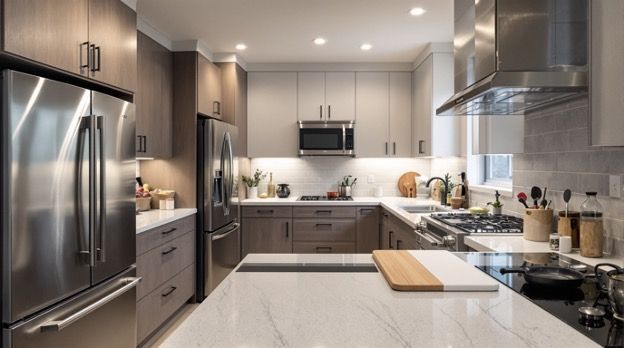
4. Cabinet Placement That Doesn’t Match How You Live
Cabinets should make your daily routine easier, but that only happens when storage is placed where you actually use it. If your prep tools are across the kitchen from your workspace or your dishes are far from the dishwasher, you end up walking more than you need to.
Think in Zones
A functional layout groups storage by activity. Keep cutting boards, mixing bowls, and utensils near your main prep area. Pots, pans, and cooking tools should stay close to the cooktop. Dishes, trash, and recycling work best near the sink and dishwasher so cleanup is quick.
When choosing kitchen cabinets, drawers, pull-outs, and vertical dividers often make everyday items easier to reach than deep shelves.
Plan Around Your Habits
Think about where groceries land when you walk in, where small appliances live, and which counters you use the most. Your cabinet layout should follow those habits, not just the wall layout.
Once your storage matches your routine, the last piece is making sure your appliances and work surfaces support the way you cook.
5. Appliance and Countertop Planning Problems
Appliance placement often gets decided late, and that’s where problems show up. Every major appliance needs nearby counter space so you’re not juggling hot pans or grocery bags with nowhere to set them down.
The refrigerator should have space beside it for unloading. Cooktops work best with at least 12 to 18 inches of landing area. Dishwashers should open without blocking the main path. Wall ovens need to be placed at a comfortable height, not squeezed into whatever space is left.
Surface choice matters too. High-use prep areas benefit from durable kitchen countertops that can handle daily wear without constant upkeep.
When appliance locations and work surfaces are planned together, the kitchen feels easy to use. Getting that level of coordination usually takes more than a quick sketch.
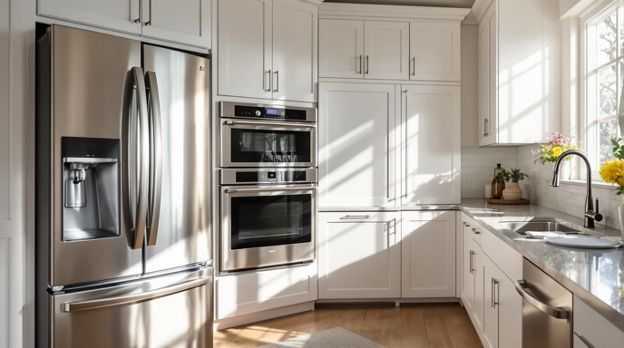
6. Trying to Fix Layout Without Professional Planning
A lot of layout mistakes happen when decisions are made piece by piece instead of looking at the whole kitchen. Inspiration photos are helpful, but they don’t show where plumbing runs, what walls can move, or how much clearance you actually have.
Working with a professional on kitchen design helps you spot conflicts early, before cabinets and appliances are ordered. We map out clearances, workflow paths, and storage needs so the layout works in real life, not just on paper.
This step also protects your budget. Discovering halfway through that plumbing needs to move, or a wall needs to shift, can add unexpected costs and delays. For many Dexter homeowners, handling planning and kitchen remodeling with one team keeps communication simple and the project moving.
With a full plan in place, you avoid surprises and end up with a kitchen that works the way you expected from the start.
Conclusion
Most kitchen layout problems come down to planning. Tight walkways, awkward appliance placement, and poorly organized storage might not seem like a big deal during design, but you’ll feel them every day once the kitchen is finished.
Taking the time to think through workflow, spacing, and how you actually use the space helps your remodel last longer and feel better to live in. In Dexter homes where comfort and resale both matter, a smart layout usually delivers more value than any single upgrade.
When the layout works, everything else in the kitchen just feels easier.
Ready to Plan a Kitchen That Actually Works?
If you’re thinking about a remodel, the best next step is to walk through your space with someone who looks at function first. Our team at Mill Creek Kitchens & Bath helps Dexter homeowners evaluate workflow, traffic flow, and layout options before materials are chosen.
Stop by our Dexter showroom or call (734) 249-6947 to explore cabinet, countertop, and layout ideas and start planning a kitchen built around how you actually live.
