
Storage-First Kitchen Design for Modern Homes
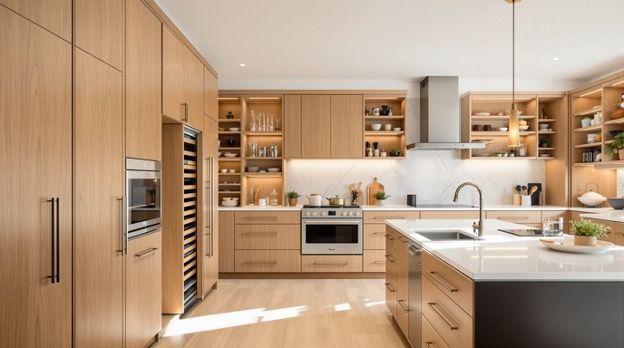
Kitchen Remodeling in Dexter, MI: Storage Design
Quick Take: A storage-first kitchen remodel in Dexter, MI usually falls between $25,000 and $60,000, depending on how much you change the layout and what cabinets you choose. Most projects take about 6 to 10 weeks once construction starts. Planning storage from the beginning prevents wasted space and helps protect resale value in Washtenaw County’s strong housing market.
Walk into most kitchens built in the 1980s or early 2000s around Dexter, and you will see the same issue. Plenty of cabinets, yet never enough usable storage. Upper shelves you cannot reach, deep corners that swallow cookware, and pantry spaces that turn into clutter zones. A storage-first approach flips that frustration on its head and designs the entire kitchen around how you actually live.
Here, we are going to look at how smart kitchen storage design shapes layout decisions, how pantry organization and pull-out shelves improve daily flow, when custom kitchen cabinets make sense, and what realistic costs and timelines look like in Dexter, MI. By the end, you will have a clearer picture of what works, what to avoid, and how to plan a kitchen that feels calm instead of crowded.
Why Storage Should Drive Your Layout
Most people start a remodel by picking an island or appliances. That is backwards. If you want a kitchen that works, storage has to guide the layout from day one.
The work triangle, the path between your sink, stove, and refrigerator, should generally measure 4 to 9 feet on each side. Walkways need about 42 inches of clearance for one cook and closer to 48 inches if two people are moving around at once. Within those dimensions, you should be thinking about where dishes, utensils, and pantry items will live so you are not walking across the room every time you cook.
In many older Dexter homes, corner cabinets and short upper cabinets waste vertical space. During kitchen remodeling, you can adjust cabinet heights, rework awkward corners, or even expand a pantry wall. Once you map storage zones first, everything else falls into place more naturally.
Now let’s break down the specific zones your kitchen really needs.
The 5 Storage Zones Every Modern Kitchen Needs
Instead of scattering storage everywhere, think in terms of zones tied to tasks. When each zone has a purpose, clutter drops dramatically.
Here is what that usually looks like:
- Prep Zone. Near your sink and main counter. Store mixing bowls, cutting boards, and knives here. Deep drawers and pull-out shelves keep heavy items easy to reach.
- Cooking Zone. Around the range or cooktop. Keep pots, pans, lids, and spice racks within 12 to 24 inches of where you cook.
- Cleaning Zone. At the sink and dishwasher. Plan for pull-out trash and recycling, under-sink organizers, and dish storage nearby.
- Pantry Zone. Dedicated pantry organization with adjustable shelves or rollout trays. Tall cabinets between 84 and 96 inches maximize vertical storage.
- Entertaining Zone. A separate area for glassware, serving trays, and bar tools, often near an island.
When you design around zones, you stop stuffing items wherever they fit. The next step is deciding what type of cabinets will support those zones properly.
Custom vs Prefab Cabinets for Maximum Storage
Cabinet choice affects both storage flexibility and budget. In Dexter, many homeowners are balancing long-term value with realistic spending.
Where Prefab Cabinets Make Sense
Stock or semi-custom cabinets can keep cabinetry costs roughly in the $8,000 to $20,000 range, depending on kitchen size. If your layout stays mostly the same and ceiling heights are standard, they can work well. The downside is fixed sizing, which sometimes leaves filler gaps or wasted inches.
Where Custom Cabinets Add Value
Fully custom kitchen cabinets let you adjust heights, depths, and internal storage features. You can extend cabinets to the ceiling, add deeper drawers, or build around tricky corners. That flexibility often pushes cabinet investment into the $20,000 to $35,000 range, but it solves problems prefab options cannot.
What Makes Sense in Dexter
With home values often around $400,000 or more in Dexter, you may see cabinetry as a long-term investment. During kitchen design, you can walk through trade-offs and see exactly where custom features make a difference. Cabinet decisions then shape what storage upgrades are realistic.
Once cabinets are chosen, it is time to look at the features inside them.
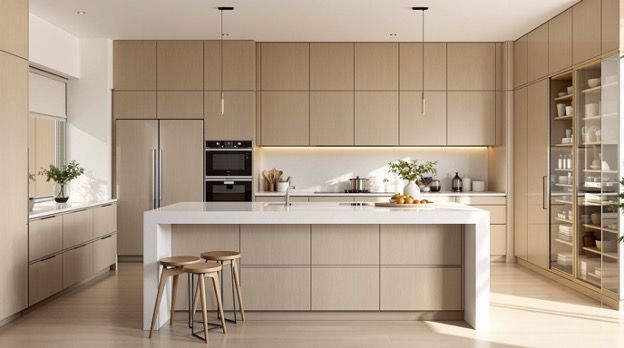
Hidden Storage Features That Reduce Clutter
Hidden storage is not about fancy gadgets. It is about making daily tasks easier.
Pull-out shelves in lower cabinets eliminate the need to kneel and dig to the back. Deep drawers often work better than shelves for pots and pans because you can see everything at once. Narrow vertical spice racks beside the range keep seasonings close without crowding the counter.
Blind corner cabinets, which are common in older layouts, can be upgraded with sliding or swing-out systems so you actually use that space. Appliance garages keep coffee makers and toasters accessible but off the counter. Vertical dividers keep baking sheets upright instead of stacked in a wobbly pile.
These features feel small, but together they transform how your kitchen functions. As you plan these upgrades, you should also think about how the kitchen will serve you long term.
Planning Storage for Aging in Place
Even if retirement feels far away, smart storage design should account for the future. You want a kitchen that still works well at 65 or 75.
Drawers instead of deep base cabinets reduce bending. Keeping frequently used items between 15 and 48 inches from the floor minimizes strain. Soft-close hardware protects cabinet doors and reduces wear over time.
Lighting also plays a big role. Under-cabinet lighting makes prep areas more usable. Interior cabinet lighting helps you see items in tall pantry cabinets. Durable kitchen countertops matter too, especially in high-traffic prep zones where you cook daily.
When you plan storage with comfort in mind, you avoid remodeling again in ten years. That said, it helps to be realistic about what remodeling involves.
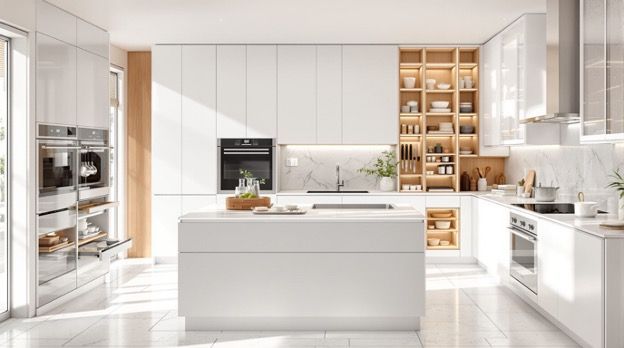
What Homeowners Underestimate About Storage Remodels
Storage-first design sounds straightforward, but execution requires planning. Opening walls may reveal outdated wiring or plumbing that needs upgrading. Those updates can add several thousand dollars and extend the schedule slightly.
You also need to think about daily life during construction. Most kitchen remodels take 6 to 10 weeks once work begins. Setting up a temporary camp kitchen with a microwave, coffee maker, and mini fridge in another room makes that period much more manageable.
Permits in Washtenaw County may be required if you are moving plumbing or electrical lines. Handling those early prevents inspection delays later. When you understand these realities upfront, the process feels far less stressful.
With that in mind, the real question becomes whether now is the right time for you to make the change.
Conclusion
Kitchen storage design is about making your space work for you instead of against you. When layout, pantry organization, hidden storage, and cabinetry are planned together, you end up with a kitchen that feels calmer and more efficient. With clear priorities and realistic expectations, you can build a kitchen that finally fits the way you live.
At Mill Creek Kitchens & Bath, you are not juggling separate designers, cabinet suppliers, and installers. Our team brings kitchen design, cabinetry, countertops, tile, and installation coordination together under one roof.
With experienced in-house designers and a local showroom near Dexter, you can see materials, compare cabinet configurations, and explore pull-out shelves and pantry layouts in person before making decisions. Contact us today to schedule a consultation.
